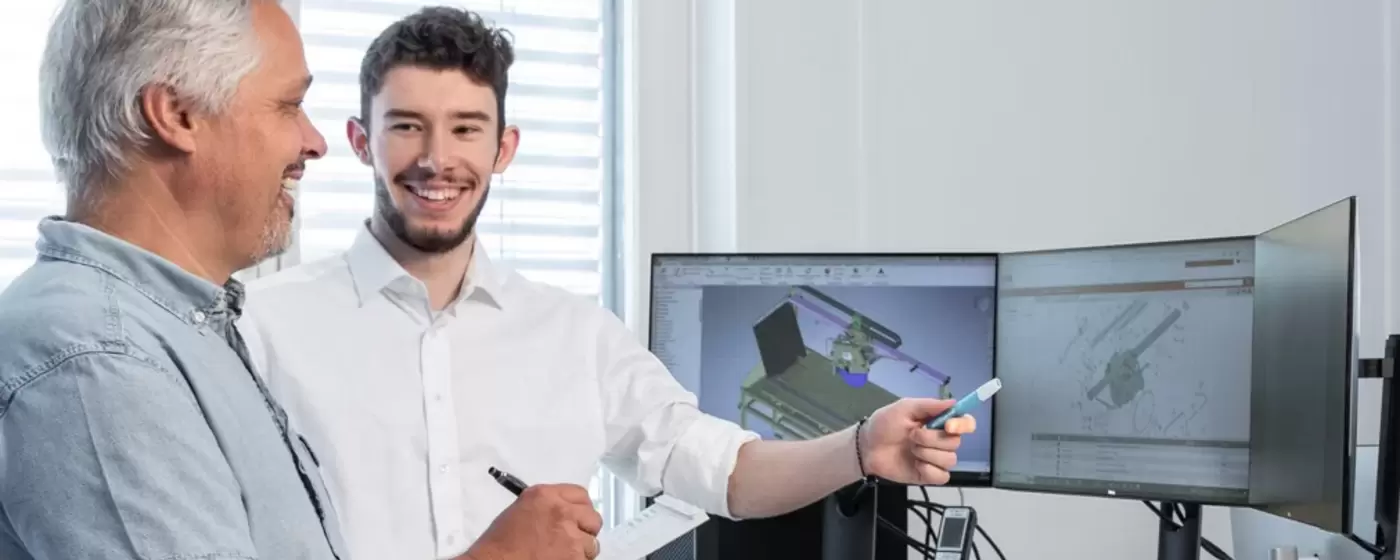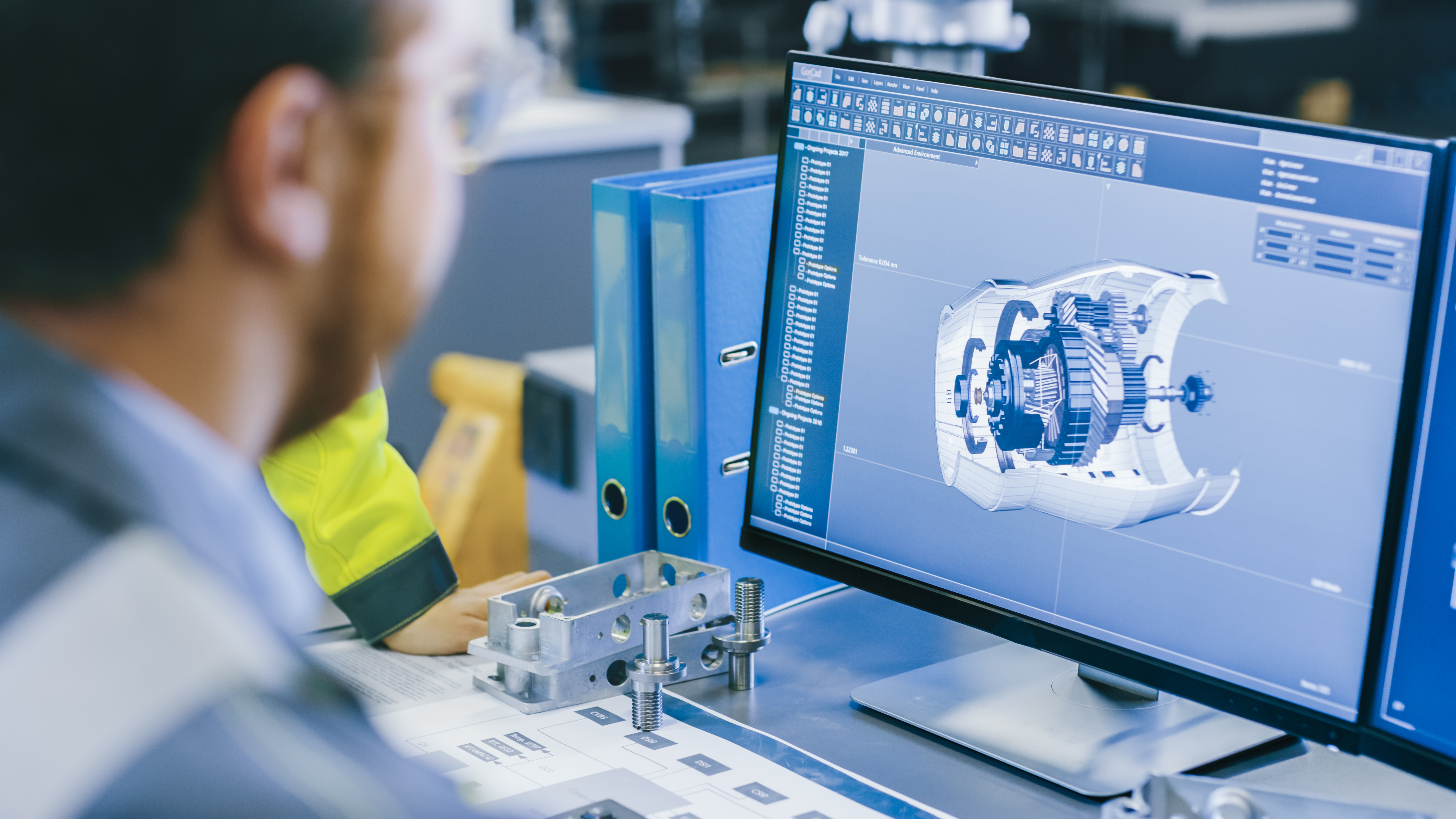
Videos and animations can be used in many different ways. It is often a matter of adding animations and videos to websites or apps to explain the basic function and operation of products. Service engineers are also a popular target group, for example for instructional videos containing step-by-step descriptions of maintenance and repair processes. The easiest way to provide access is with QR codes or direct links. Furthermore, product functions for internal use can be visualised within the company – e.g. for presentations of WIKI systems in the R&D department. The information involved is often very sensitive, as the technical processes need to be described right down to the very last detail.

For more than 40 years part of our core business has been to create descriptions of products – along with their functions, operation and maintenance. We are technology enthusiasts and understand your products, which sets us apart from other traditional visualisation agencies.
Martin Schläpfer
Animation and rendering
Animations can be used to show the inner workings of a product, mechanical processes, chemical reactions, or the flow of fluids and gases. They generally offer the major advantage that processes can be depicted with a degree of abstraction, which keeps the video or animation product-neutral. A basic requirement for this is complete 3D data models.
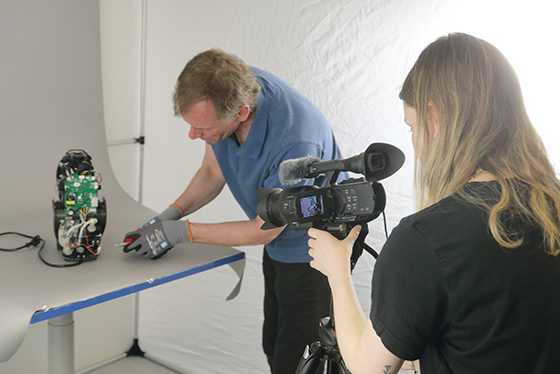
Real videos offer the advantage of 1:1 reality mapping. Particularly when it comes to showing certain movements or manipulations, or to demonstrating the use of tools, videos are superior to animations. Videos can show how to correctly position your hands, how to use just the right amount of force and what exactly is going on in the surroundings with 100% realism and accuracy.